More good news for the new year!
In 'La Stampa' and on Gusto.it they talk about our winery and our dedication, from the very start of our production, to indigenous grape varieties. We thank Dr. Paolo Massobrio for dedicating this article to our company, underscoring the commitment to the territory and the forward-looking vision of Filippo Cassano.
Below is the link to the article and don’t forget to subscribe to our newsletter to receive news about our promotions.
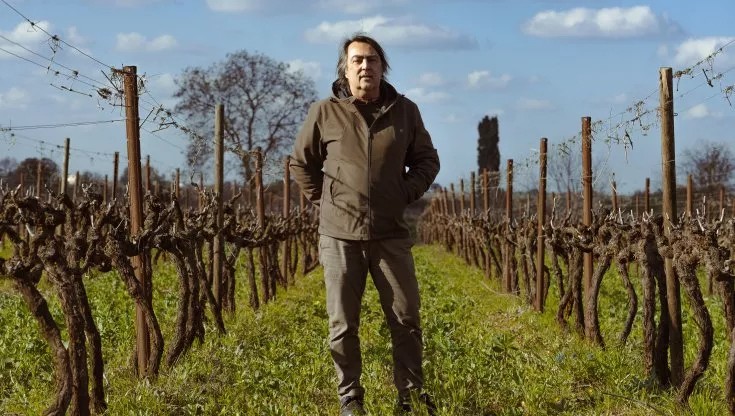
We were among the first to write about the elegant Primitivo of Gioia del Colle (which differ from those of Manduria) and, above all, about this winery. And, after almost twenty years, it has been comforting to observe its evolution.
We already knew Filippo Cassano as an oenologist. Forward-looking, with its Polvanera winery in Gioia del Colle (the name evokes the dark color of the ferruginous soils that surround the estate started in 2003 and the original activity of charcoal production). He believed from the outset in indigenous grape varieties, devoting the most energy to Primitivo, which has brought to bottle a level of excellence. It was a priest of Gioia del Colle, Don Filippo Francesco Indellicati, passionate about botany, who gave this name to the vines—’primativo’ meaning early to ripen—and planted them in one of the town’s contrade at the end of the 1870s.
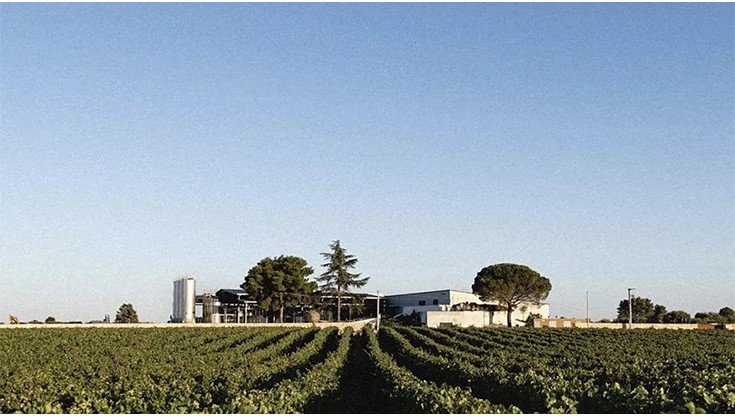
Twenty years after the founding of the company, today the vineyard area is 120 hectares. (1 million bottles), most of which are in the area between Gioia del Colle and Acquaviva delle Fonti, with a smaller part in Tarantino. Alongside Primitivo, the other typical varieties of the area reside there, from Aglianico to Falanghina, from Maresco to Minutolo, from Marchione to White Alessano.
In directing the harvests and winemaking, in addition to Filippo, are two enologists: his daughter Adriana and Maria Rosaria Campanella.
The training systems are alberello (for the sixty-year-old vines) and cordone speronato.The vines are entirely cultivated according to the dictates of organic farming, with the choice not to age in oak, to enhance the varietal notes of the grapes. And what is also striking is the evocative winery, carved eight meters into the calcitic rock, set in a unique landscape characterized by vineyards, dry stone walls, and stands of holm oaks.
Let’s start with the variants of Primitivo, which take the “numerical name” from their respective alcohol contents.
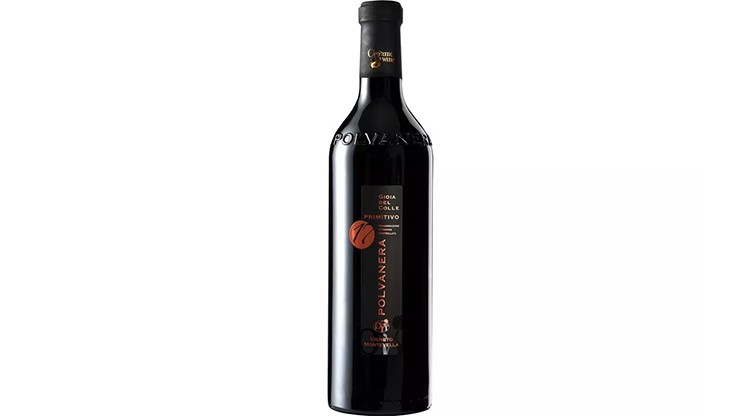
The Gioia del Colle Primitivo “14” 2020 It is an impenetrable ruby color, with a full nose of fruit pulp and mushroom, and an intense peppery spice; on the palate it is full, velvety, and soft.

The Gioia del Colle Primitivo “16” 2020 It is obtained from an alberello-trained vineyard of about 70 years of age. A sample even more spicy than the previous one, and on the nose the fruit is in spirits, with a subtle hematic note.
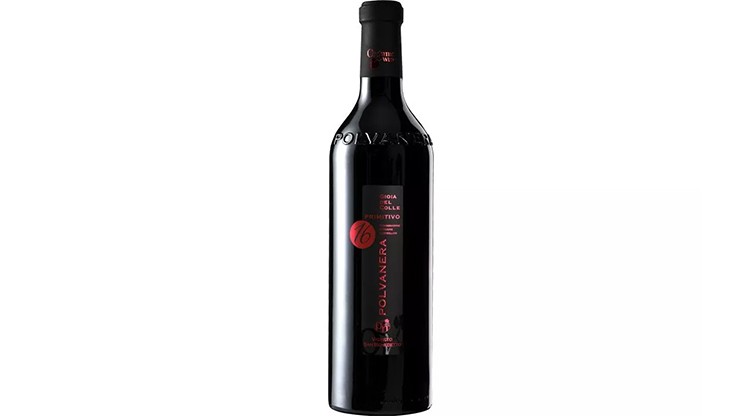
The Gioia del Colle Primitivo “17” 2020 Aging for 24 months in stainless steel tanks and one year in bottle. On the nose the fruit in spirit is enriched with a balsamic part and a saline note that evokes olives in brine. On the palate it is on par with the other wines, full-bodied, tannic, with a pronounced spice on the finish.
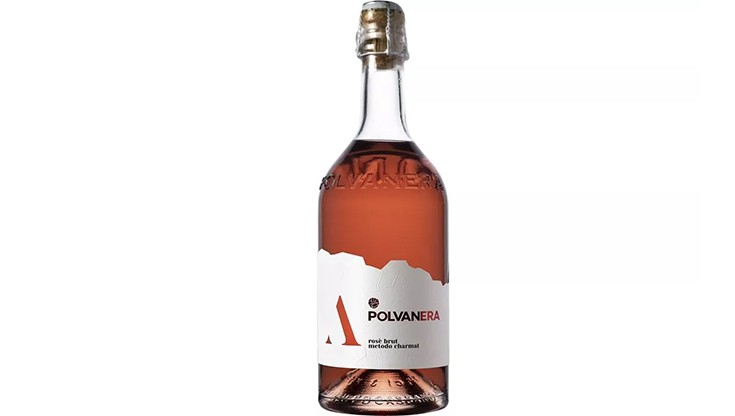
The Puglia Rosato Spumante Brut “A” 2022 It is a Charmat method of Primitivo in purity, which undergoes brief pressing maceration, fermentation in autoclave for 10 days and 6 months on the lees. It is bright pink in color, with a cherry nose and almost sweet notes of caramel. On the palate it is dominated by freshness with a slightly acidic note that invites drinking.
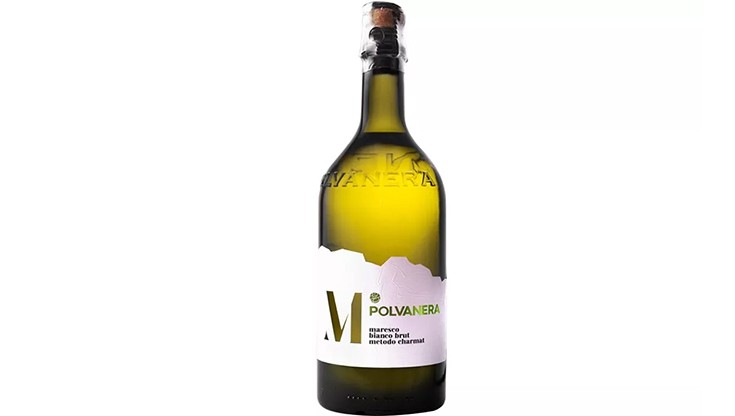
The Valle d’Itria Maresco Spumante Brut Bianco “M” 2022 It comes from Maresco grapes in purity, vinified with the Charmat method. It remains on the lees for 3 months and then one month in bottle. It is bright straw-yellow in color, with a deep, citrusy nose, coherent with what is found on the palate where the acidity emerges strongly and carries the sip for a long time.
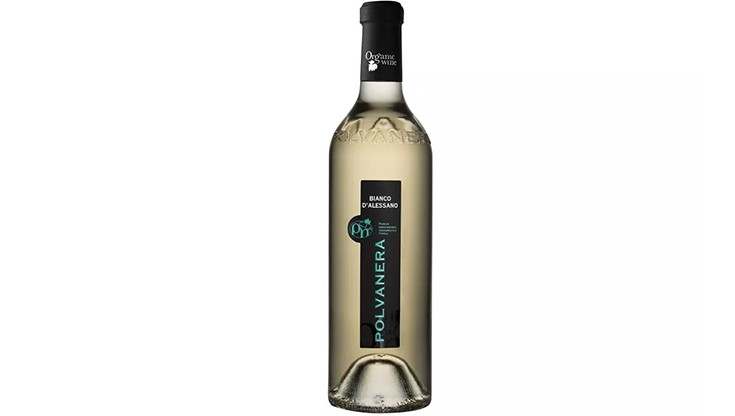
The Puglia Bianco d’Alessano 2022 From the same native grape in purity, which undergoes gentle pressing and a short maceration of 2/3 hours in a press, then fermentation and aging for 3 months in stainless steel tanks and 2 months in bottle. It is light straw in color, with a citrusy nose and a lactic background; on the palate the wine has body but does not aim for length so much as immediacy. A truly coherent example of this glorious grape, a pleasure to rediscover in all its expressiveness.